
Detection engineering involves creating specialized detection mechanisms and custom detection rules designed to identify specific threats and anomalies unique to your IT environment. These mechanisms and rules bridge the gap left by default SIEM rules, allowing proactive monitoring and response to threats.
Detection Engineering
Our detection engineering services are crafted specifically for your unique needs, ensuring proactive threat hunting, advanced detection capabilities, and an enhanced security posture.
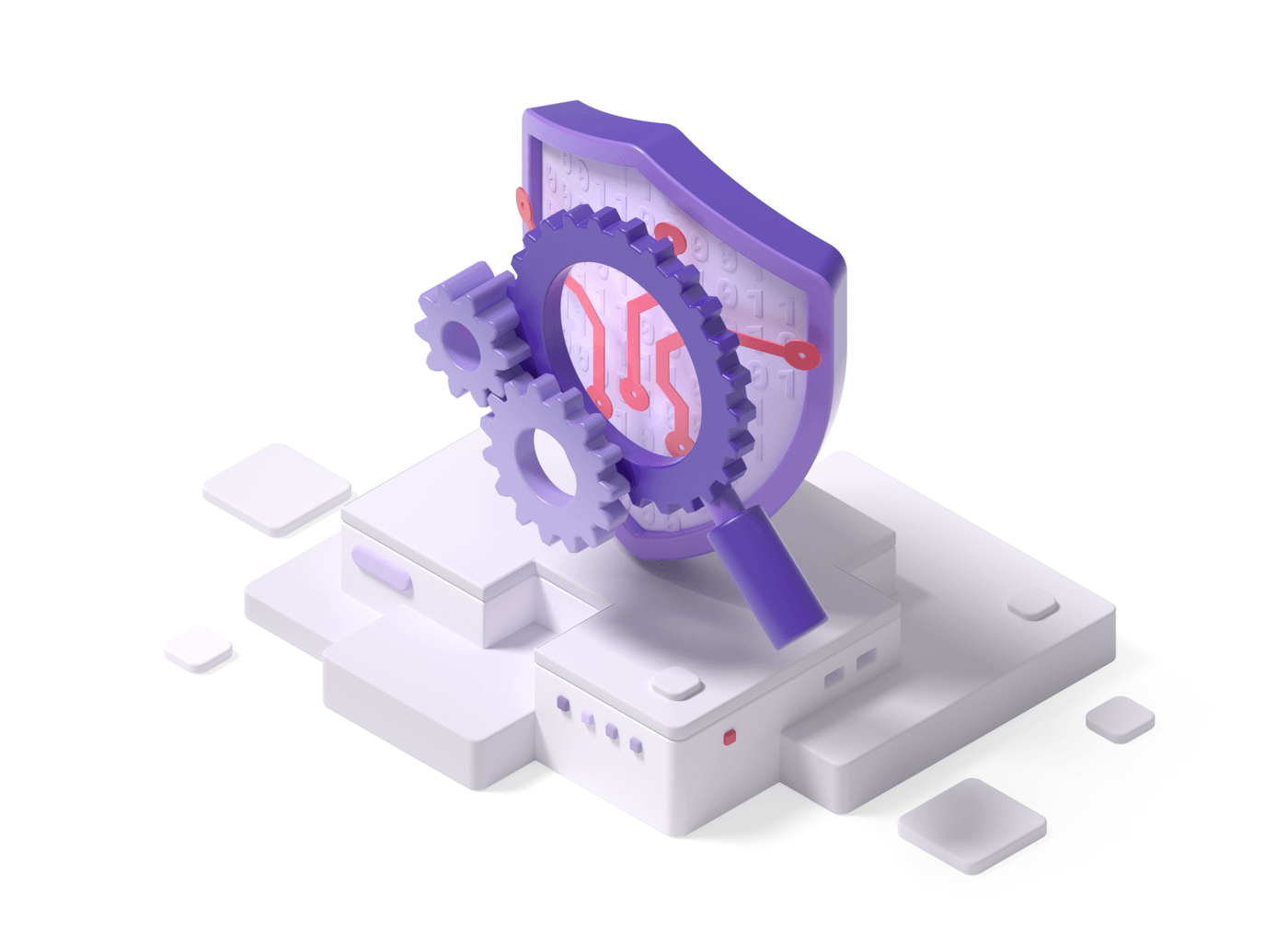
What is Detection Engineering?
Detection engineering involves creating specialized, tailor-made detection mechanisms designed to identify specific threats and anomalies unique to your IT environment. While default rules provided by SIEM solutions like Microsoft Sentinel and Splunk offer baseline security, they often fall short in addressing the unique threats specific to your organization.
Detection engineering bridges this gap by allowing you to design and tweak advanced hunting queries. These customized detection mechanisms enable proactive monitoring of various events and system states, including suspected breach activity and misconfigured endpoints. By enhancing your ability to detect, alert, and respond to threats that standard rules might miss, detection engineering ensures a more robust and responsive security posture.
The benefits of Detection Engineering
Enhanced Threat Detection Detection engineering creates tailored detection mechanisms to identify threats specific to your organization, improving the detection rate of sophisticated attacks.
Regulatory Compliance Helps in meeting compliance requirements by monitoring and reporting on specific events as mandated by regulations.
Reduced False Positives Fine-tuned detection mechanisms minimize false alarms, ensuring your security team can focus on genuine threats.
Improved Response Times Enables faster detection and response to threats, reducing potential damage and downtime.
Why Choose for Detection Engineering by WebSec?
Core features
What to expect
Supported SIEM Vendors

Core features
Discover the core features of our Detection Engineering service, structured to align your security monitoring with the unique needs of your organization. Strengthen your defense against information security threats with our specialized service.
Expert Custom Rules Craftsmanship
Developed by seasoned security professionals with deep expertise in SIEM solutions and query languages.
Tailored Solutions
Detection mechanisms designed specifically for your organization's unique environment and latest threat landscape.
Comprehensive Coverage
Extends beyond default SIEM capabilities to cover all potential attack vectors.
Continuous Improvement
Regular updates and fine-tuning of detection mechanisms to adapt to evolving threats.
Proactive Threat Hunting
Identifies and mitigates threats before they can cause significant harm.
Regulatory Compliance Support
Assists in meeting industry-specific compliance and regulatory requirements.
Query Languages We Work With
Embrace the versatility of our Custom Detection Rules service. Supporting KQL, SPL, EQL, and YARA, we ensure every organization finds insightful and constructive solutions, regardless of their platform preference.
Custom Detections in KQL
Enhance your Microsoft Sentinel SIEM with our expert-led KQL custom detection rules. Boost efficiency, accuracy, and performance, ensuring your SIEM solution is always top-notch.
Custom Detections in SPL
Transform your Splunk SIEM capabilities with our detailed, expert-driven SPL custom detection rules. Improve accuracy, efficiency, and overall performance, elevating your security measures.
Custom Detections in EQL
Maximize your Elastic Stack SIEM with our in-depth, expert-guided EQL custom detection rules. Enhance readability, efficiency, and detection accuracy, ensuring robust threat detection.
Custom Detections in YARA
Advance your threat hunting with our expert-crafted YARA rules. Improve your ability to detect and respond to malware and other threats, ensuring your SIEM solution remains resilient and reliable.
Custom Detections in MQL
Optimize your Google Cloud SIEM with expert-crafted MQL rules. Improve detection and response to threats, ensuring your SIEM solution remains resilient and reliable.
We also support
Ariel (IBM QRadar)
Rego (Datadog Cloud SIEM)
LEQL (InsightIDR)
Can’t find what you are looking for?
Our experts will help you!
Detection Engineering Process
In today's threat landscape, having custom detection rules is crucial for robust security monitoring. Our DTAP approach for developing these rules ensures comprehensive coverage and effectiveness. This methodology methodically enhances your security posture, from initial request to deployment. Each step ensures that your systems are well-protected and your detection capabilities are optimized.
1
A stakeholder submits a request specifying the need for a new detection rule, detailing the security requirements and objectives to address.
2
Conduct a planning session to outline the project scope, objectives, and deliverables. Identify necessary resources, define timelines, and set milestones for successful implementation.
3
Gather requirements to understand specific needs and identify key threat scenarios. Design custom detection rules using the most appropriate query language for optimal performance and accuracy.
4
Conduct initial testing in a controlled environment to verify accuracy and performance. Use simulated attack scenarios to ensure the rules can effectively detect threats.
5
Deploy detection rules in a staging environment for User Acceptance Testing (UAT). Allow your security team to test the rules in real-world scenarios and provide feedback.
6
Seamlessly integrate custom detection rules into your live SIEM environment. Monitor deployment to ensure rules function as intended and provide ongoing support and updates.
Detection Engineering FAQ's
Ready to Work with Websec? Inquire Now
Ready to elevate your cybersecurity with WebSec? Take the first step towards fortified protection. Inquire now and secure your digital assets with our trusted expertise.